





Exploring Apple’s Future: Foldable Phones and Evolving Home Entertainment
As the festive season wraps up and we look to a new year, the tech giant Apple is quietly stirring excitement, even as news in the tech world has been relatively calm. Recent discussions about Apple’s technological endeavors for the upcoming year have surfaced intriguing predictions and developments, setting the stage for what could be a transformative year for consumers. Among the buzz, the talked-about foldable iPhone, a delayed Apple TV update, and Apple’s response to European legislation stand out.
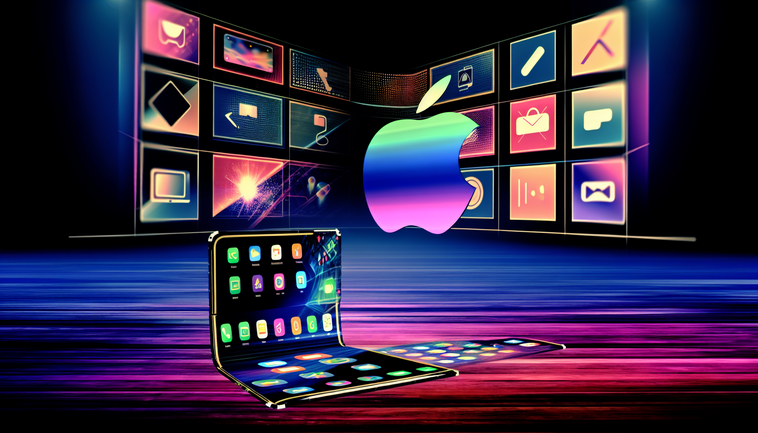
Rumors of Apple’s foldable iPhone have reignited interest, shedding light on its potentially compact size. With a proposed 5.3-inch external display and a 7.7-inch internal one, this device promises a significantly smaller footprint than earlier expectations. Early mock-ups are showcasing a device that’s delightfully compact, fitting comfortably in a hand like a passport, yet packed with cutting-edge flexible glass technology. This suggests that Apple is keen on making a splash in the foldable market with a practical but revolutionary approach.
Meanwhile, speculation surrounds the new Apple TV, a product segment due for an update after its last refresh in 2022. Many anticipated a launch this year, but signs now point to a 2026 reveal. It’s believed that Apple plans to unveil the refreshed product line together with the release of an updated, more intelligent Siri, potentially transforming the way we interact with our home entertainment systems. Fans are eagerly awaiting what enhancements a new Apple TV might bring, especially in terms of smart home integration.
In regulatory arenas, Apple continues to navigate the complexities of compliance across different regions. Upcoming features in iOS 26.3 are tailored for European customers, aligning with the Digital Markets Act. These features, such as seamless pairing for third-party devices and enhanced notification support, showcase Apple’s commitment to broadening its ecosystem and enhancing user experience across various platforms, reinforcing its user-centric philosophy.
Financial challenges also feature in Apple’s narrative, particularly in Europe, where the company faces a hefty fine from Italy over its App Tracking Transparency feature. This campaign to protect user privacy, although applauded by many, faces backlash from market regulators who argue it disrupts the advertising ecosystem. Apple’s stance on privacy continues to put it at odds with advertisers and regulators, highlighting the ongoing tension between consumer privacy rights and commercial interests.
Speculation about the iPhone 18 is also heating up, with trial production slated to start post-Lunar New Year. Notably, Apple seems to be embracing a staggered release strategy, offering separate debuts for its Pro and standard models. This approach could mean more tailored offerings for varied consumer needs, possibly pointing to a new era of product launches that align more closely with user demand cycles.
As we look ahead, Apple remains at the forefront of tech innovation, consistently setting trends with its approach to design and functionality. The unfolding developments hint at a future where tech is not only more integrated into our daily lives but is also more personal and tailored to individual consumer preferences. As excited consumers and industry watchers, we can only anticipate what Apple’s vision will bring to fruition in these dynamic times.